Showing posts with label Hardware Malware. Show all posts

August 24, 2010

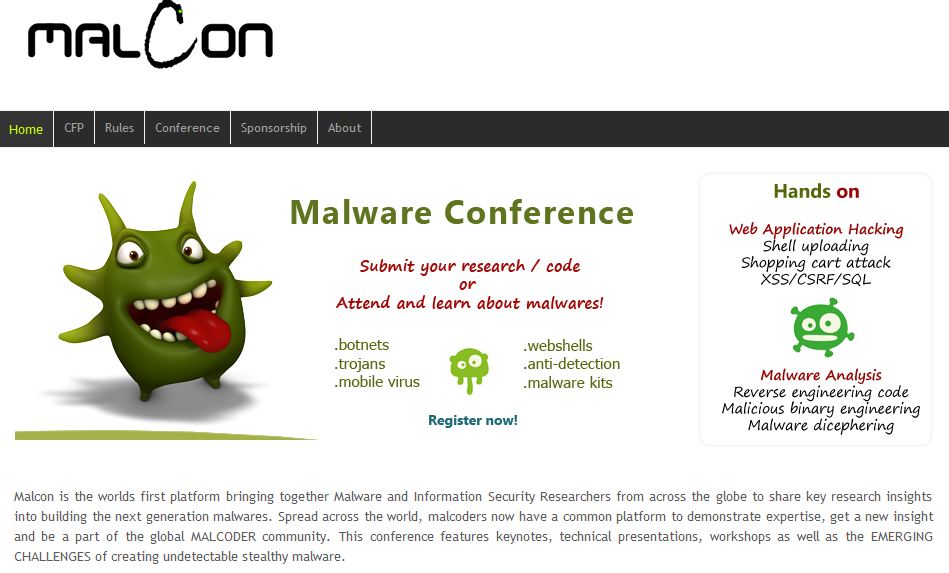
Malware authors have their own con now, MalCon

Interested in WRITING malware? Go to MalCon.

Heh. I've heard it all. Now the malware authors have their very own conference where they can learn and teach about writing malware. Their website claims to bring together "Malware and Information Security Researchers from across the globe to share key research insights into building the next generation malwares." Okayyyyy.

I'm not sure whether this is a hoax or legit but according to Brian Krebs of Krebs on Security fame it's legit, or at least he spoke with the organizer of the event about it. The word is that Bruce Schneier is one of the leading speakers. This is interesting and seems to lend credence to its legitimacy.

Not sure who will be attending but my guess at the very least there will be a few LE and government security types "hanging" around this conference.

July 15, 2010

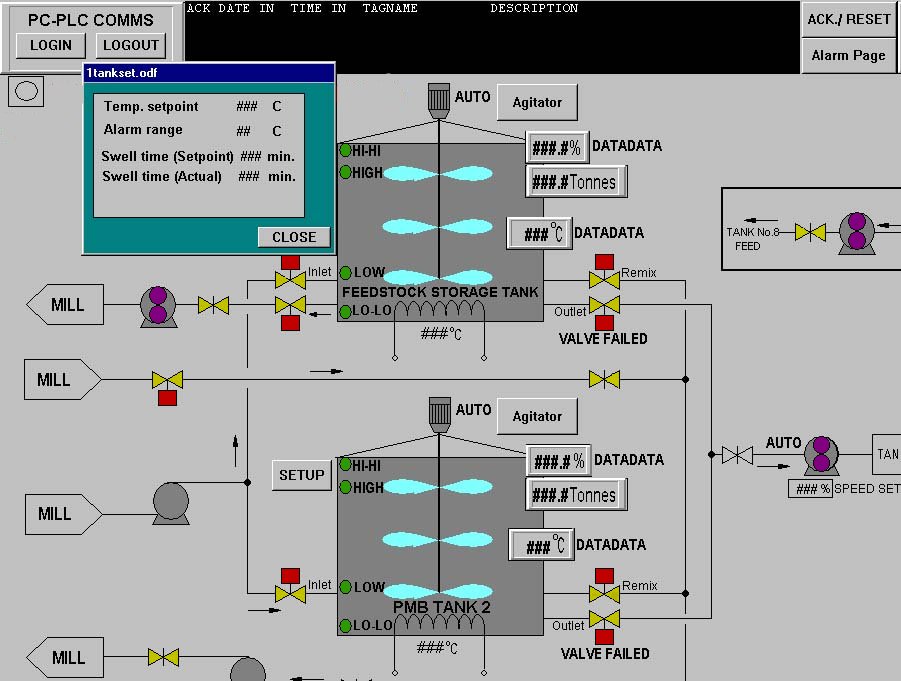
Rootkit targeting embedded devices in SCADA systems?


A recent malware discovery has many of us security pros very concerned: rootkits targeting embedded devices. The discovery is a rootkit called Rootkit.TmpHider that came with a trojan that infects systems via USB drives. This in itself is not all that concerning, what *is* very concernful is that the driver files that make up the rookit have a legitimate digital signature from....wait for it...an embedded device maker Realtek. Worse it appears to targeted at SCADA control systems. Not good.

Several are discussing this new trojan that has rootkit technologies built into it: Wilders Security, The H-Security site, The Elder Geek.

Why are we concerned you ask? These embedded devices are everywhere controlling everything including critical systems such as water system, power grids, etc. AND in a scary finding made by malware analyst Frank Boldewin of www.reconstructer.org, this rootkit has database queries that target WinCC SCADA systems by Siemens. That's bad news.

To add to this concern is the fact that these devices rarely get updated, if at all, so all bugs and vulnerabilities that existed when they were designed still exist. Furthermore, the trust model in these devices is usually quit open, making it very easy for worms to propagate.

Here's hoping that new embedded systems have stronger security built into them.

December 27, 2008

New electronic Christmas gifts may have a special 'present'


As I celebrate this holiday season with my family and friends I'm finding myself busier than ever with security work - and it's not dealing with any infected PCs of my family and friends. You see, this year we have received more electronic devices that can plug into a computer than ever.

What's the big deal you ask? Concerns about malware-infected devices and their software.

Malware-infected devices isn't a new issue: we've had reports of new devices being infected with malware for the past couple years. This year is no different: I know first hand of several such instances where MP3 players or digital video frames come out of the box with this additional 'special gift' that when plugged into a computer drops malicious code onto it used to join botnets, steal Internet website account credentials, or who knows what. Oh, and it's not just the devices themselves, the software that comes with the hardware has had issues. Stories: Best Buy sold infected digital picture frames (Jan 2008) and here, Vuescape frames have infected software (Aug 2008), Samsung ships infected picture frame software CD (Dec 2008).

So while the percentage of these infected devices is still very low I'm still taking the precaution and plugging these things into my security test lab of 'victim' machines and will monitor what they do. Even if you don't have a lab like mine you can still exercise caution when hooking these up to your system. You can run system monitoring tools such as Process Monitor or Process Explorer from the brilliant folks in the Microsoft SysInternals team or a packet sniffer like Wireshark. You might also run something that monitors network connections, such as Windows built in utility NETSTAT (sorry, I don't know a Mac equivalent), while you plug the device in or install the software to see whether your machine visits a site on the Internet during the install and usage of the device and it's bundled software.

I'm raising an eggnog toast to all of us receiving electronic gifts without the special additional 'gift'. Hope your holiday is a malware-free one.